


A three-year-old and a ten-year-old need completely different supplies. This isn't about limiting kids—it's about setting them up to succeed. Give a toddler tiny colored pencils and they'll just get frustrated. Give a tween baby crayons and they'll feel insulted. The right supplies for the right age make all the difference.

Kids' Art Supplies Purchase Guide
You know that moment when a kid tries to draw something and the cheap marker skips, the crayon breaks in half, or the watercolors are so chalky they barely show up on paper? That's not the child's fault—it's the supplies. Bad art materials make kids think they're bad at art.
Good supplies don't have to be expensive, but they do need to actually work. A crayon that lays down smooth color. Markers that don't dry out after a week. Paint that looks like the color in the pan. When kids have materials that respond properly, they can focus on creating instead of fighting their tools. This guide helps you find supplies that match a child's age, interests, and skill level—whether you're buying for a toddler discovering finger paints or a twelve-year-old ready for their first "real" art set.
Why Art Matters: Art isn't just fun—it builds real skills. Drawing strengthens the same hand muscles kids need for writing. Mixing colors teaches cause and effect. Following craft instructions develops patience. And creating something from nothing builds confidence that carries over into everything else they do.
What's in This Guide
Matching Supplies to the Kid
What Works at Different Ages
Here's a realistic breakdown of what kids can handle—and enjoy—at different stages. These aren't hard rules, but they're good starting points.
What to Buy at Each Age
A quick reference for age-appropriate supplies
| Age | What They're Working On | Good Supplies | Safety Notes | Reliable Brands |
|---|---|---|---|---|
| Toddlers (1-3) | Sensory exploration, basic motor skills, making marks | Jumbo crayons, finger paints, chunky brushes | Everything goes in the mouth—non-toxic only, no small parts | Crayola My First, Melissa & Doug |
| Preschool (3-5) | Fine motor skills, learning colors, first attempts at shapes | Regular crayons, washable markers, safety scissors, Play-Doh | Still needs supervision; washable everything | Crayola Washable, Faber-Castell |
| Early Elementary (6-8) | Following instructions, more detail work, patience | Colored pencils, watercolors, craft kits, Model Magic | Can handle more tools with guidance | Prismacolor Scholar, Crayola Signature |
| Late Elementary (9-12) | Developing real skills, wanting "real" art supplies | Quality drawing materials, acrylics, polymer clay | Ready for non-washable materials with instruction | Faber-Castell, Sakura, Liquitex Basics |
Safety Labels That Actually Matter
Kids put things in their mouths. They rub their eyes. They lick their fingers. Art supplies need to be safe for that reality. Here's what to look for:
ACMI AP (Approved Product) seal: This means non-toxic and safe for all ages. Look for this on everything for kids under 6.
ACMI CL (Cautionary Labeling): Safe with proper use—fine for older kids who follow directions, but needs supervision.
ASTM D-4236: The art materials safety standard. If it has this, the manufacturer tested it properly.
When in doubt, stick with major brands that specialize in kids' supplies—Crayola, Melissa & Doug, Faber-Castell's kids lines. They've already done the safety homework.
What Different Activities Actually Teach
Art supplies aren't just for making pretty pictures—different materials build different skills.
Scissors, small brushes, detailed work: Fine motor control. The same muscles used for writing.
Color wheels, mixing paints: Cause and effect. "What happens when I mix blue and yellow?"
Clay, building projects, 3D work: Spatial thinking. Understanding how objects exist in space.
Kits with instructions: Following steps. Reading comprehension. Patience.
Kids don't need to know they're learning. That's the whole point.
Frequently Asked Questions
What art supplies are safe for toddlers?
For kids under 3, stick to Crayola My First Crayons (big, hard to break), Melissa & Doug Jumbo Triangular Crayons, and Crayola Washable Finger Paints. Avoid anything small enough to be a choking hazard, anything permanent, and anything that requires fine motor skills they don't have yet. Everything in this age range goes in mouths—non-toxic is non-negotiable.
Are washable markers actually washable?
Quality ones are—Crayola Washable and Faber-Castell Washable come out of most clothes and surfaces with normal washing. The key word is "most." Porous surfaces like unsealed wood may stain. Treat spills quickly. And know that "washable" doesn't mean "invisible until you want it"—it still shows up on walls.
When can kids start using scissors?
Around age 3, with supervision. Start with real safety scissors (Fiskars Beginning, Crayola Rounded-Tip)—not the useless plastic ones that won't cut anything. Teach them to hand scissors handle-first, walk with points down, and only cut paper unless told otherwise.
What's the difference between kids' supplies and adult supplies?
Kids' supplies prioritize safety (non-toxic, washable), durability (harder to break), and sizing (easier to grip). Adult supplies may contain chemicals unsafe for children, require techniques kids can't do yet, or have small parts. Check age recommendations on packaging. When in doubt, go with the kids' version.
How can I encourage art without destroying my house?
Washable everything. Smocks or old clothes. A plastic tablecloth or newspaper under the work area. Clear boundaries about where art happens. And products like Crayola Color Wonder (ink only shows on special paper) or Melissa & Doug Water Wow for truly mess-free options when you need them.
Should I buy expensive supplies for kids?
It depends on the kid and their age. Young children developing basic skills don't need premium supplies—Crayola works great. But for a 10-year-old who draws constantly? Better materials (Prismacolor Scholar, Faber-Castell) teach them to value their tools and give better results. Match quality to interest level and developmental stage.
My kid wants "real" art supplies. How do I know when they're ready?
When they're consistently using what they have, taking care of their materials, and asking for more capabilities. Around 8-10, many kids are ready for a step up—real colored pencils, acrylic paints, quality sketchbooks. Start with mid-range supplies (Prismacolor Scholar, not Premier) and see if they use them well.
💡 Pro Tip:
Variety Beats Perfection: A kid who tries crayons, markers, paint, clay, and collage learns more than one who masters just crayons. Different materials work different parts of the brain. Let them experiment with lots of things rather than drilling on one skill. The mess is worth it.
The Main Supply Categories
Most kids' art falls into a few basic categories: drawing, painting, crafts, and modeling. Here's what works in each.
Drawing Supplies (Where Most Kids Start)
Drawing is usually the first art activity. A kid with a crayon and paper is already an artist.
Crayons by age:
Toddlers: Crayola My First Crayons or Melissa & Doug Jumbo Triangular—big enough to grip, hard to break.
Preschool: Regular Crayola or Faber-Castell Jumbo Grip—standard size, still chunky enough for small hands.
School age: Crayola Twistables (no peeling, no breaking) or Faber-Castell—ready for more detail work.
Older kids: Crayola Portfolio or Faber-Castell Gelatos—artist-quality results that still feel approachable.
Colored pencils:
Start with Crayola or Faber-Castell Grip sets. Move to Prismacolor Scholar around age 10 if they're really into drawing. Save the expensive Prismacolor Premier or Polychromos for teens who've demonstrated they'll actually use them.
Markers by Age
Which markers work for which ages
| Age | Type | What to Look For | Good Options | Notes |
|---|---|---|---|---|
| 2-4 years | Washable broad tip | Big markers, rounded tips, easy to grip | Crayola My First, Melissa & Doug | Caps are a choking hazard—supervision needed |
| 4-7 years | Classic washable | Standard size, lots of colors, actually washable | Crayola Washable, Faber-Castell | Teach them to put caps back on |
| 7-10 years | Fine tip options | Detail work, dual tips, specialty colors | Crayola Super Tips, Sakura | Still washable, but starting to care about quality |
| 10+ years | Artist quality | Better pigments, blending, may be permanent | Prismacolor Scholar, Tombow | Time to learn that permanent means permanent |
Painting (Messier, But Worth It)
Painting teaches color mixing in a way nothing else does. Yes, it's messier than crayons. That's part of the point.
Paint types by age:
Finger paints (toddlers): Crayola Washable Finger Paint. Pure sensory exploration. Embrace the mess.
Tempera (preschool and up): Crayola Washable Tempera. Vibrant colors, cleans up easily, the school classroom standard.
Watercolors (age 5+): Crayola Watercolor sets to start. Prang or Crayola Artista when they're ready for better color.
Acrylics (age 8+ with supervision): Liquitex Basics. Real paint that dries permanent. A good "graduation" when kids are ready for more serious work.
Brushes that work for kids:
Chunky brushes for little hands. Foam brushes for easy cleanup (no lost bristles). Round brushes once they have more control. And sponge brushes for fun texture effects.
⚠️ Important:
Paint Without Panic: Stick to washable, non-toxic paints for kids under 8—everything else is asking for trouble. Have them wear old clothes or a smock (a dad's old t-shirt works fine). Put newspaper or a plastic tablecloth under the work area. And here's the secret: establish cleanup as part of the activity, not punishment after. Kids who learn to rinse their own brushes become kids who take care of their tools.
Crafts (Cutting, Gluing, Building)
Crafts build different skills than drawing or painting. Following instructions. Working in three dimensions. Making something that stands up.
The essentials:
Scissors: Fiskars Beginning or Crayola Rounded-Tip. Safety scissors actually cut (unlike the really cheap ones) but won't cut skin. Introduce around age 3 with supervision.
Glue: Glue sticks (Elmer's Washable, UHU Stic) for less mess. Liquid glue (Elmer's School Glue) when they need stronger bonds. White glue washes out of most clothes.
Paper: Tru-Ray Construction Paper is the classroom standard—sturdy and fade-resistant. Cardstock for projects that need to stand up. Tissue paper for translucent effects.
Fun stuff: Pipe cleaners (Creativity Street), pom poms, googly eyes, foam sheets, stickers. These are the supplies that turn flat paper into creatures and characters.
Modeling and Sculpture (Hands-On, Three-Dimensional)
Working with clay and dough strengthens the same hand muscles kids need for writing. Plus, there's something deeply satisfying about squishing stuff.
Materials by age:
Play-Doh: The classic. Non-toxic, reusable (until it gets mixed into one brown lump), great for toddlers on up.
Model Magic (Crayola): Air-dries into permanent creations. Lightweight, doesn't crack, great for ornaments and figures.
Polymer clay (Sculpey): Ages 8+ with adult supervision. Bakes in a home oven to permanent hardness. Real sculptures kids can keep forever.
Real clay (Amaco): The traditional ceramic experience. Heavier, messier, more advanced—but nothing else feels quite like it.
Tools: Plastic tools are safest for young kids. Rolling pins, cookie cutters, and texture stamps work with any modeling material.
Making Art Without Making Waste
Art is a great way to teach kids about taking care of things. Refillable markers, caps that go back on, brushes that get rinsed—these habits add up. Eco-Kids makes supplies from natural materials. Old magazines become collage material. Cardboard boxes become sculptures. And when kids learn to take care of their art supplies, those supplies last longer and work better.
Art Kits (When You Want a Complete Project)
Sometimes you want everything in one box—instructions, supplies, and a clear goal. Kits are great for that.
Drawing kits: How-to-draw books with pencils included. Ed Emberley's books are classics. Klutz makes great ones too.
Painting sets: Canvas, paint, and brushes together. Good for a first painting experience.
Craft kits: Melissa & Doug makes solid ones. Everything you need for a specific project.
Activity books: Klutz books often include materials right in the book—beads, yarn, whatever the project needs.
Tech-enhanced: Crayola Light-up Tracing Pad teaches drawing fundamentals through tracing. Good bridge between following instructions and creating original work.
Digital Art Tools (For Older Kids)
Digital art is real art. Kids who grow up drawing on tablets often become skilled digital artists.
For ages 10+: Wacom Intuos tablets are the entry point for serious digital art. They're pressure-sensitive and work with real art software.
For tablet users: iPad-compatible styluses (Apple Pencil if you have an iPad that supports it) work great with apps like Procreate.
Tracing tools: Light boxes and the Crayola Light-up Tracing Pad help kids learn to draw by tracing—a legitimate technique, not "cheating."
Digital art doesn't replace traditional art; it adds to it. Most professional artists work in both.
Sensory-Friendly Options
Different kids respond to different textures and sensations. Some love squishy things; others can't stand them. Some need quiet activities; others need active ones.
Texture exploration: Sandpaper for rubbing, fabric scraps, bubble wrap, textured papers. Great for kids who learn through touch.
Scented materials: Scented markers, scratch-and-sniff stickers. Can make art more engaging—or overwhelming, depending on the kid.
Calming activities: Soft pastels, watercolors, repetitive patterns. Good for winding down or processing emotions.
For kids with sensory sensitivities: Pay attention to what they avoid. If they hate slimy textures, skip finger paint. If they're sound-sensitive, avoid noisy craft supplies. There's always an alternative that works.
Organizing Supplies (A Skill in Itself)
Kids who can find their supplies actually use them. Organization also teaches responsibility—taking care of things so they last.
For toddlers: Big bins they can reach. Picture labels showing what goes where. Keep it simple.
For preschoolers: Divided containers, color coding. They can start sorting crayons back into the right places.
For school-age kids: Drawer organizers, portable caddies. They can take responsibility for keeping things tidy and capping markers.
For older kids with serious supplies: Real organization systems. Teach them to inventory what they have and take care of quality tools.
Travel Art Kits (Creativity On the Go)
Restaurants, car trips, waiting rooms—art supplies can be a lifesaver. But you need the right ones.
The basics: A small sketchbook, a pencil case with crayons or colored pencils, maybe a few stickers. Avoid anything liquid or messy.
Cases: Hard cases protect supplies but take up more space. Soft cases are more flexible. Ziplock bags work in a pinch.
Keep it contained: Whatever you bring, make sure it can all go back in the bag easily. Loose crayons rolling under restaurant booths are nobody's friend.
Cleanup: Throw some wet wipes in the bag. You'll need them.
Helping Kids Keep Making Art
The goal isn't perfect artwork—it's kids who enjoy making art and keep doing it.
Focus on the process: Ask "What were you thinking about while you made this?" instead of just "That's nice." The making matters more than the result.
Let them lead: Resist the urge to show them the "right" way. A purple tree is fine. A person with arms coming out of their head is developmentally normal.
Celebrate effort: "You really worked hard on that" beats "You're so talented." Effort is something they can control.
Make supplies accessible: Kids who can reach their art supplies use them more. A drawer they can open beats a closet they need help with.
Books and Learning Resources
Art books for kids can spark new interests and teach new skills.
How-to-draw books: Ed Emberley's step-by-step books are classics. Lee Ames taught generations to draw. These work because they break things into simple shapes.
Art history for kids: Books about famous artists make art feel connected to the real world. Kids love learning that Picasso drew weird faces on purpose.
Activity books: Klutz books, doodle prompts, coloring books with interesting designs. Low-pressure ways to make art.
Online resources: YouTube tutorials, apps like Procreate (for tablets), interactive drawing games. Screen time that's actually creative.
The Goal: Kids who make art when they're young often keep making art their whole lives. The formula is simple: give them safe materials that actually work, challenges that match their abilities, freedom to experiment without fear of "messing up," and encouragement that focuses on effort rather than results. Most importantly—let them get a little messy.
The Essentials
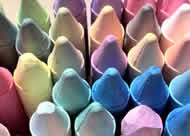
Chalk — Sidewalks, chalkboards, big colorful marks that wash away with rain or a wet sponge. Crayola Anti-Dust keeps cleanup easier.
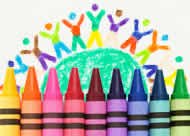
Crayons — The classic first art supply. Crayola My First for toddlers, regular Crayola or Faber-Castell for older kids. Hard to mess up.
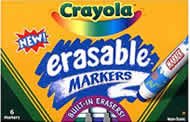
Washable Markers — Bold colors, real washability. Crayola Washable and Faber-Castell actually come out of clothes. The good ones are worth it.
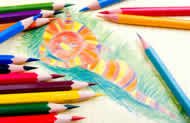
Pencils — Ticonderoga My First and Faber-Castell Grip are designed for small hands still learning to grip. Builds control for both drawing and writing.

Paper — Tru-Ray Construction Paper and Strathmore Kids' Art Paper hold up to crayons, markers, and paint without falling apart.
Shop Kids-Corner Supplies
Professional kids-corner supplies for every application

Example product title
Regular price
$19.99
Example product title
Regular price
$19.99
Example product title
Regular price
$19.99
Example product title
Regular price
$19.99
Example product title
Regular price
$19.99
Example product title
Regular price
$19.99
Example product title
Regular price
$19.99
Example product title
Regular price
$19.99


