Purchase Guide: Crafts & Hobby Projects

Crafts Purchase Guide

Crafts Purchase Guide

You've just discovered polymer clay. Six YouTube videos later, you're convinced you can make professional-looking jewelry by next weekend. You buy every color of Sculpey, specialty tools you don't understand yet, and expensive findings. Two hours into your first project, the clay won't stop crumbling, your fingerprints are embedded in everything, and that delicate pendant you envisioned looks like something a third-grader made in art class.

Or maybe it's decorative painting that gets you. Those tutorials make it look so simple—paint this thrift store frame, add some distressing, seal it, done. Except your paint won't stick to the glossy surface, the finish looks streaky, and when you try to distress it, chunks of paint peel off in sheets.

Here's what the craft world doesn't advertise: every technique has invisible prerequisites. Surface preparation that seems optional but isn't. Material compatibility issues nobody mentions until you've wasted supplies. Tools that look interchangeable but absolutely aren't. The difference between a project that holds up and one that falls apart in three months often comes down to steps that seem boring or unnecessary when you're excited to start.

This guide covers what actually matters—not aspirational project ideas, but the practical knowledge that separates disappointing attempts from work you're proud to give away or sell.

Craft Success Reality Check: Quality materials enable better results, but only if you're using them correctly. The most expensive supplies won't fix technique problems, and cheap materials create problems that technique can't overcome. Start with decent materials, learn proper technique, then upgrade supplies as your skills justify the investment.

Complete Guide Navigation

Figure Out What You're Actually Making (And Why)

Walk into a craft store without a clear goal and you'll walk out with $200 in supplies for three different hobbies you might try someday. The craft industry thrives on this impulse buying—those miniature paint sets, that jewelry starter kit, the embossing heat gun that seemed essential in the moment.

Before buying anything, answer one question honestly: What are you actually going to make with this?

Making Things People Actually Use

Reality check: Functional crafts need to survive real-world use. That painted serving tray needs to handle moisture and cleaning. Those handmade earrings will catch on clothing and get dropped. Cute isn't enough—durability matters.

Best techniques: Decorative painting on wood or metal, jewelry making with proper findings, fabric crafts with appropriate materials. Focus on techniques with proven track records for whatever you're making.

What matters: Can it be cleaned? Will the finish hold up? Are materials safe for their intended use? A painted picture frame is one thing—food-contact items require different considerations entirely.

Where beginners struggle: Skipping sealers because they add steps. Using indoor materials outdoors. Choosing materials that look good but won't survive actual use. Your hand-painted wine glasses look beautiful until someone runs them through the dishwasher.

Making Art Without Apology

Reality check: If it's purely for display, you have more freedom with materials and techniques. You can experiment with combinations that wouldn't survive functional use. But 'experimental' doesn't mean 'ignore material compatibility'—mixed media pieces still need to hold together.

Best techniques: Mixed media assemblage, surface treatments, non-traditional material combinations. This is where you can break rules deliberately rather than accidentally.

What matters: Will materials react with each other over time? Is it structurally sound for however it'll be displayed? Even pure art needs basic archival thinking if you want it to exist in five years.

Where beginners struggle: Combining incompatible materials (water-based over oil-based, for example). Creating pieces too fragile for handling or shipping. Using non-archival materials for work they hope to keep or sell.

Actually Learning Instead of Just Buying Supplies

Reality check: Craft stores will happily sell you $500 in premium supplies before you know what you're doing. Start with decent student-grade materials, not professional supplies you don't know how to use yet.

Best approach: One technique at a time. Master basic wire wrapping before investing in silversmithing tools. Learn decorative painting on thrift store frames before tackling furniture restoration.

What matters: Can you afford to make mistakes with these materials? Do you have clear instruction? Can you tell when you're improving? The best learning materials let you fail cheaply and often.

Where beginners struggle: Buying professional-grade supplies before developing skills to use them. Starting with complex projects that require multiple techniques. Not knowing what good results should look like, so can't tell what's going wrong.

Making Things to Sell (The Real Economics)

Reality check: That craft fair booth costs money. Materials cost money. Your time costs money. If you're selling painted signs for $25 and spending three hours plus $8 in materials on each one, you're making less than minimum wage before booth fees.

What matters: Reproducibility. Can you make consistent quality at speed? Material costs that leave room for profit. Techniques that scale without requiring hours per piece. A painted wine glass that takes 45 minutes to make needs to sell for enough to justify that time.

Best techniques: Methods you can systemize. Stenciling rather than freehand painting. Production assembly rather than one-offs. Techniques where setup time gets amortized across multiple pieces.

Where people miscalculate: Underpricing to compete with mass production (you can't and shouldn't). Not tracking actual time including failed attempts. Forgetting that 'craft show vendor' means bringing display materials, sitting there all day, and probably not selling everything you brought.

Questions People Actually Ask

What's the actual difference between crafts and fine art?

Traditionally, crafts involved function and technique mastery while fine art focused on concept and aesthetic experience. Reality is messier—contemporary art uses craft techniques constantly, and many craft objects are purely aesthetic. The boundary is increasingly meaningless except for academic categorization and snobbery. Make what interests you and don't worry about which category it falls into.

How do I know what craft projects match my skill level?

Start with projects requiring 1-2 techniques you haven't tried before, not five new skills simultaneously. Decorative painting is accessible—technique progression is clear, materials are affordable, mistakes aren't expensive. Simple jewelry making using pre-made findings builds understanding before you're fabricating everything from scratch. Avoid projects with vague instructions or those assuming knowledge you don't have. 'Simple' and 'beginner' in project descriptions are often aspirational, not accurate.

Should I buy cheap materials to practice with?

Depends on the craft. Cheap craft acrylics work adequately for learning decorative painting. Cheap jewelry findings frustrate because they break and tarnish, making it hard to tell if problems are your technique or bad materials. Cheap polymer clay crumbles and won't condition properly—you'll think you're doing it wrong when the material is just inadequate. Start with decent student-grade materials, not bottom-tier or professional-grade.

How important is dedicated workspace really?

Critical for any craft involving chemicals, dust, or materials that contaminate surfaces. Less critical for techniques like jewelry assembly or fabric work. You need adequate ventilation for painting, resin, or polymer clay. You need proper lighting for any detail work. You need clean storage so materials don't degrade. A corner of the kitchen table works if you're not using materials that shouldn't be near food prep areas—many craft materials create contamination issues.

Can kids safely do these crafts?

With appropriate supervision and modified techniques, many crafts work for children. Use non-toxic materials exclusively—Crayola, Elmer's, and similar brands specialize in child-safe formulations. Avoid anything requiring heat, sharp tools, or chemical fumes. Supervise constantly with materials like polymer clay, which isn't toxic but isn't food-safe. Many 'craft' and 'art' materials aren't regulated for child safety—stick with products explicitly labeled for children's use.

How do I know if craft supplies have gone bad?

Paint that's separated and won't remix is done. Dried-out adhesives that won't flow are trash. Polymer clay that crumbles instead of conditioning is too old. Fabric dyes past their date produce weak, uneven color. Metal findings that are corroded or tarnished won't improve. Resin past shelf life won't cure properly. Most craft materials have shelf lives—buying in bulk saves money only if you'll use materials before they degrade. Small quantities of fresh materials beat large quantities of borderline supplies.

Decorative Painting

Decorative painting transforms everyday objects into personalized artistic statements through specialized paints, techniques, and finishes designed for non-traditional surfaces.

Paint Type Best Surfaces Characteristics Popular Brands
Craft Acrylics Wood, metal, glass, ceramic Multi-surface adhesion, fade-resistant FolkArt, Apple Barrel, DecoArt Americana
Fabric Paint Cotton, canvas, synthetic fabrics Flexible, washable, permanent Tulip, Jacquard, Speedball Fabric Paint
Spray Paint Large surfaces, detailed textures Even coverage, quick application Krylon, Rust-Oleum, Montana Cans
Faux Finishes Furniture, walls, decorative objects Specialty textures and effects Modern Masters, Varathane, FolkArt Home Decor

Surface Preparation and Finishing

💡 Pro Tip:

Surface Prep: This Determines Everything: Clean surfaces remove oils and contaminants. Sanding glossy surfaces creates tooth for paint adhesion. Priming porous surfaces prevents uneven absorption. These steps aren't optional—they're chemistry. Skip them and paint peels, finishes stay tacky, colors come out blotchy. Surface prep takes longer than painting but determines whether your work lasts months or years.

Jewelry Making & Beading

Jewelry making combines technical skill with artistic vision to create wearable art using diverse materials and construction techniques.

Essential Components and Materials

  • Wire and Findings: Sterling silver, gold-filled, and copper wire in various gauges
  • Beads and Stones: Natural gemstones, glass beads, crystal components
  • Clasps and Connectors: Jump rings, clasps, ear wires, and specialty findings
  • Cord and Chain: Leather, silk, metal chain in various styles and weights

Tools and Equipment

Jewelry making tools enable precise construction and professional finishing:

  • Pliers: Round-nose, flat-nose, chain-nose for wire manipulation
  • Cutters: Flush cutters, heavy-duty cutters for different wire gauges
  • Forming Tools: Mandrels, ring sizers, bracelet forming blocks
  • Finishing Tools: Files, sandpaper, polishing compounds

Popular Techniques

  • Wire Wrapping: No-solder technique using wire manipulation
  • Bead Stringing: Traditional threading with knots and spacers
  • Metal Stamping: Letter and design stamps on metal blanks
  • Resin Casting: Using molds for custom shapes and embedments

Polymer & Hobby Clay

Polymer and hobby clay offers endless sculpting possibilities with materials that cure in home ovens, requiring no kiln firing.

Clay Type Curing Method Best Applications Popular Brands
Polymer Clay Oven baking (275°F) Detailed sculptures, jewelry, miniatures Sculpey, Fimo, Kato Polyclay
Air-Dry Clay Air drying (24-48 hours) Children's projects, quick crafts Crayola Model Magic, Activa Plus
Epoxy Clay Chemical cure (1-4 hours) Repairs, outdoor projects, detail work Apoxie Sculpt, Magic Sculpt
⚠️ Important:

Polymer Clay Safety—Not Negotiable: Use dedicated tools for clay work—never reuse with food afterward. Plasticizers don't wash out completely. Ensure adequate ventilation during baking even at correct temperatures. Use oven thermometer for accuracy—your oven dial isn't precise enough. Overheated polymer clay produces hydrochloric acid fumes. If you smell burning, ventilate immediately and don't breathe it. Follow manufacturer's temperature guidelines exactly.

Tools and Techniques

Textiles & Fabric Arts

Textiles and dyes transform fabric into artistic expressions through color application, surface design, and structural manipulation.

Dyeing Techniques and Materials

  • Fabric Dyes: Fiber-reactive, acid, and natural dyes for different fabric types
  • Batik Supplies: Wax, tjanting tools, and removal materials for resist dyeing
  • Tie-Dye Materials: Rubber bands, squeeze bottles, soda ash for preparation
  • Screen Printing: Screens, squeegees, photo emulsion for fabric printing

Fabric Painting and Marking

  • Fabric Paints: Heat-set paints for permanent decoration
  • Fabric Markers: Fine-tip markers for detailed work and outlining
  • Stencils and Templates: Reusable patterns for consistent designs

Fabric Selection

Fabric choices significantly impact dye uptake and final results:

  • Natural Fibers: Cotton, linen, silk accept dyes readily
  • Synthetic Fibers: Polyester, nylon require specialized dyes
  • Fabric Weight: Consider absorbency and intended use
  • Pre-treatment: Washing and mordanting for optimal results
💡 Pro Tip:

Gold Leaf Application Reality: Work in draft-free environment—even breathing moves leaf around. Apply sizing and wait for correct tack—touch with knuckle to test. Use gilder's tip charged with static for transfer. Overlap sheets slightly to avoid gaps. Seal composition leaf immediately or it tarnishes within days. Genuine gold leaf never tarnishes but costs accordingly. Practice with composition leaf before using genuine gold.

Gold Leaf & Metallic Finishes

Gold leaf applications create luxurious metallic surfaces on diverse materials, from traditional gilding to contemporary artistic effects.

Leaf Types and Applications

  • Genuine Gold Leaf: 23-karat gold for permanent, non-tarnishing applications
  • Composition Leaf: Brass-based alternative for practice and budget projects
  • Silver and Copper Leaf: Alternative metals for different aesthetic effects
  • Metallic Powders: Mica-based powders for textured and blended effects

Application Process

  1. Sizing Application: Adhesive preparation for leaf attachment
  2. Leaf Application: Using specialized brushes and tools for smooth application
  3. Burnishing: Smoothing and securing leaf to surface
  4. Sealing: Protective coatings for durability and handling

Surface Enhancement

Traditional Techniques

Ventilation and Air Quality

  • Natural Ventilation: Windows and cross-breezes for general air circulation
  • Exhaust Fans: Dedicated ventilation for spray painting and solvent use
  • Air Filtration: HEPA filters for dust control during sanding and cutting
  • Respiratory Protection: Masks appropriate for specific hazards

Modern Workspace Solutions

  • Modular Storage: Adjustable shelving and drawer systems
  • Task Lighting: LED lights with color accuracy for true color perception
  • Work Surfaces: Easy-clean materials resistant to stains and chemicals
  • Tool Organization: Dedicated storage for each craft category
⚠️ Important:

Safety Guidelines That Actually Matter: Proper ventilation prevents accumulation of fumes from paints, solvents, adhesives, and baking materials. 'Smells fine' doesn't mean safe—many harmful compounds are odorless. Use appropriate respiratory protection for specific hazards. Maintain organized storage to prevent material degradation and accidents. Store oil-soaked rags in airtight metal containers with water or dry them flat outdoors—spontaneous combustion from oxidizing oils is real and causes fires.

Educational Resources and Instruction

Craft and hobby books range from genuinely useful technique instruction to glossy project collections that skip crucial steps. Good craft books explain why techniques work, not just what to do. They include troubleshooting sections addressing common problems. They're honest about skill requirements and time investment.

Look for books by authors who actually practice the craft professionally. Technique books by working jewelers, professional decorative painters, established fiber artists. Avoid books that are primarily lifestyle photography with minimal instruction.

Sustainable Crafting Practices: Real Tradeoffs

Environmental considerations: Water-based products when possible—less toxic for you, less harmful for environment. Dispose of solvents and chemicals at hazardous waste facilities, never down drains. Reuse and recycle materials creatively—but not at the expense of safety or durability.

Reality check: Some crafts require materials with environmental costs. Polymer clay uses petroleum-based plastics. Metallic paints contain actual metals. Solvents and resins have chemical impacts. Choose eco-friendly alternatives where they exist and work adequately, but don't compromise safety or significantly worse results just for environmental credentials that may be more marketing than substance.

Multi-surface acrylics from FolkArt, Apple Barrel, and DecoArt Americana bond to wood, metal, glass, and ceramic when surfaces are properly prepared. UV-resistant formulations maintain color intensity indoors and outdoors. Clean surfaces thoroughly, prime porous materials, seal finished work for durability.

Fabric Paint

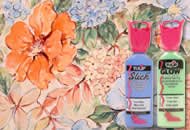
Permanent fabric paints from Tulip, Jacquard, and Speedball create flexible, washable designs on cotton, canvas, and synthetic fabrics. Heat-setting after painting ensures durability. Turn inside out and wash in cold water for longest life. Regular acrylics crack on fabric—use actual fabric paint.

Faux Finishing

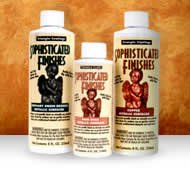
Specialty finishing products from Modern Masters and FolkArt Home Decor create metallic, antique, and textured effects. Practice on test surfaces before applying to final projects. Multiple thin coats produce better results than single heavy applications.

Glaze and Mediums

Glazing mediums extend working time and create transparency for blending and layering effects. Mix with acrylic paints according to manufacturer ratios—too much medium weakens paint adhesion, too little defeats the purpose.

Sealers protect painted surfaces from moisture, scratching, and UV damage. Multiple thin coats work better than one thick coat. Allow complete drying between coats. Not all sealers work on all surfaces—match sealer to paint type and substrate material.

Spray Paints

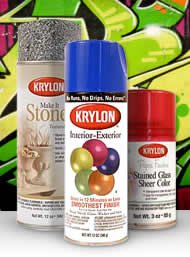
Quality spray paints from Krylon, Rust-Oleum, and Montana Cans provide even coverage when applied correctly. Multiple light coats prevent drips and runs. Use proper ventilation—spray paint fumes are hazardous in enclosed spaces. Cheap spray paint wastes time and materials.