


Follow this systematic approach to select the perfect adhesive for your project. Answer these four critical questions to narrow down your options:

Art Adhesives & Glues Purchase Guide
Adhesives are bonding agents that permanently or temporarily join two surfaces together. Modern art adhesives range from traditional natural glues to high-tech synthetic formulations designed for specific artistic applications. Whether you're mounting photographs, creating mixed-media artwork, building sculptural models, or repairing valuable pieces, choosing the right adhesive is crucial for both immediate success and long-term durability.
Key Insight: There's no universal "best" adhesive - the right choice depends on your materials, timeline, and permanence requirements.
How to Choose the Right Adhesive: Complete Decision Framework
1. Surface Analysis: Porous vs. Non-Porous Materials
Understanding your materials is the foundation of adhesive selection. Different surfaces require different bonding approaches.
Porous Surfaces (absorb liquids):
- Paper, cardboard, canvas
- Unfinished wood, drywall
- Fabric, leather, cork
- Foam, unglazed ceramics
Non-Porous Surfaces (repel liquids):
- Glass, metal, plastic
- Glazed ceramics, laminated surfaces
- Painted or sealed wood
- Vinyl, rubber
Best Adhesives by Surface Combination:
- Porous to Porous: PVA glue, wheat paste, wood glue, hot glue
- Non-Porous to Non-Porous: Super glue (cyanoacrylate), epoxy, contact cement
- Mixed Surfaces: Contact cement, structural acrylics, polyurethane adhesives
2. Working Time and Cure Requirements
Different projects require different working times and cure schedules. Consider both your working pace and project timeline:
| Adhesive Type | Working Time | Initial Set | Full Cure | Common Brands |
|---|---|---|---|---|
| Super glue (cyanoacrylate) | 10-30 seconds | Instant | 24 hours | Gorilla Glue, Loctite, Krazy Glue |
| Hot glue | 30-60 seconds | 1-3 minutes | 10-15 minutes | Surebonder, Arrow, Stanley |
| Contact cement | 5-15 minutes | Immediate | 30 minutes | Barge, 3M, DAP Weldwood |
| PVA/White glue | 10-20 minutes | 30 minutes | 24 hours | Elmer's, Titebond, Books by Hand |
| Two-part epoxy | 5-30 minutes | 30 minutes-2 hours | 12-24 hours | Devcon, J-B Weld, West System |
| Wood glue (PVA) | 15-30 minutes | 2-4 hours | 24 hours | Titebond, Gorilla Wood Glue |
3. Environmental Resistance Requirements
Consider where your finished artwork will live and what conditions it must withstand.
Water & Humidity Resistance:
- Excellent: Marine epoxy, polyurethane, silicone, cyanoacrylate
- Good: Titebond III (waterproof wood glue), contact cement, hot glue
- Poor: Standard PVA glue, wheat paste, most children's glues
Temperature Resistance:
- High Heat (200°F+): High-temperature epoxy, ceramic adhesives
- Moderate Heat (150°F): Polyurethane, structural acrylics
- Standard (120°F): Cyanoacrylate, wood glue, contact cement
- Low Heat (100°F): PVA glue, most craft adhesives
⚠️ Important:
Important: Hot glue becomes soft above 80°F and is not suitable for items exposed to heat or direct sunlight.
Archival Quality for Long-Term Art:
- Museum Quality: Books by Hand PVA, Lineco Neutral pH Adhesive
- Archival Safe: 3M Positionable Mounting Adhesive, Gaylord Archival products
- Avoid for Archival Work: Rubber cement, most spray adhesives, acidic tapes
4. Application Method and Cleanup
Consider both application convenience and cleanup requirements for your workspace.
Water Cleanup (safest for artists):
- PVA/white glue, wood glue, wheat paste
- Water-based contact cement
- Acrylic-based mounting adhesives
Solvent Cleanup (requires ventilation):
- Cyanoacrylate → Acetone or debonder
- Epoxy → Acetone (before cure), mechanical removal after
- Contact cement → Mineral spirits or toluene
Frequently Asked Questions About Art Adhesives
What's the strongest adhesive for art projects?
Structural two-part epoxies like J-B Weld or Devcon provide the strongest bonds. However, for most art applications, quality wood glues like Titebond or archival PVA provide sufficient strength with easier handling and better long-term stability.
Which adhesive is best for archival or museum-quality work?
Use pH-neutral, reversible adhesives such as Books by Hand PVA or Lineco Neutral pH Adhesive. These meet conservation standards and won't yellow or become brittle over time. Always avoid rubber cement, most spray adhesives, and standard office tapes.
Can I use Elmer's glue for serious art projects?
Elmer's School Glue and Glue-All are adequate for many art applications, but specialized artist adhesives offer better longevity. For archival work, upgrade to conservation-grade PVA like Books by Hand or similar professional products.
What are the best eco-friendly adhesive options?
Plant-based options include wheat paste (completely biodegradable), soy-based adhesives, and water-based PVA formulations. Look for products with Green Seal or similar environmental certifications.
How do I remove adhesive mistakes safely?
Water-based adhesives like PVA respond to warm water and gentle scraping. For cyanoacrylate, use commercial debonders or acetone with ventilation. Contact cement requires mineral spirits. Always test removal methods on inconspicuous areas first.
Why does my glue fail in cold weather?
Most adhesives cure slower in cold conditions and may not reach full strength. Store adhesives at room temperature and allow work to cure in temperatures above 60°F for best results.
Professional Application Techniques
💡 Pro Tip:
Storage Guidelines:
Keep adhesives sealed and at moderate temperatures (60-75°F). Avoid freezing, which can permanently damage most formulations. PVA glues typically last 2-3 years unopened, while opened containers should be used within 12 months for best performance.
Surface Preparation Best Practices
- Clean thoroughly - Remove dust, oils, and old adhesive residue
- Ensure dryness - Moisture prevents proper bonding for most adhesives
- Light abrasion helps - Slightly roughened surfaces often bond better
- Test compatibility - Always test on scraps when working with valuable materials
Application Techniques
- Thin, even coats work better than thick applications
- Work at room temperature (65-75°F) for optimal performance
- Allow proper open time for contact cements before joining
- Apply adequate pressure during initial bond formation
Modern Health & Safety Practices
Ventilation: Even "non-toxic" adhesives benefit from good air circulation. Use exhaust fans when working with solvent-based products.
Skin Protection: Nitrile gloves prevent skin contact and make cleanup easier. Remove adhesive from skin immediately with appropriate solvents.
Eye Protection: Wear safety glasses when using spray adhesives or working overhead.
Adhesive Categories & Applications
Understanding the specific properties of each adhesive type helps you select the right product for your project.
Liquid Glues
Liquid glues offer precise application and strong bonds across various materials:
- Cement - Contact cements like Barge All-Purpose and DAP Weldwood for laminating
- Children's Glue - Non-toxic formulations including Elmer's School Glue and Crayola washable glues
- Craft and Household Glue - Multi-purpose options like Aleene's Original Tacky Glue and E6000
- Epoxy and Extra Strength Glue - Two-part epoxies, cyanoacrylates (super glues), and structural adhesives
- Fabric Glue - Specialized products like Aleene's Fabric Fusion and Beacon Fabri-Tac
- Glue Guns - Hot-melt systems from manufacturers like Surebonder and Arrow
- Glue Sticks - Convenient solid applications including UHU and Elmer's varieties
- Paste - Traditional wheat paste and archival mounting pastes
- Wood Glue - PVA wood glues including Titebond series and Gorilla Wood Glue
Mounting Adhesives
Mounting adhesives provide clean, professional attachment for artwork and photography:
- Dry mounting - Heat-activated films and tissues for photo mounting
- Mounting sprays - 3M spray adhesives and repositionable mounting sprays
- Adhesive tabs, sheets, and squares - Pre-cut mounting solutions for precise positioning
- Mounting tapes - Double-sided and foam mounting tapes in various thicknesses
Specialized Tapes
Tape solutions for specific artistic and conservation needs:
- Archival and Book Tape - Acid-free tapes from Gaylord Archival and Lineco
- Artist's Tape - Low-tack options like FrogTape and 3M ScotchBlue
- Double Coated Tape - 3M VHB and general-purpose double-sided tapes
- Drafting Tape - Removable tapes safe for drawings and blueprints
- Foam Tape - 3D mounting capabilities with various thicknesses
- Framer's Tape - ATG (Adhesive Transfer Gun) tapes and conservation framing tapes
- Masking Tape - Surface protection during painting and finishing
- Transparent Tape - General-purpose invisible repairs and temporary bonds
Types of Adhesives
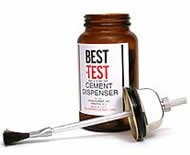
Cement forms strong, permanent bonds on non-porous materials. Contact cements like Barge and DAP Weldwood are essential for laminating and heavy-duty crafts.
Children's Glue offers non-toxic safety with easy water cleanup. Elmer's School Glue and Crayola washable formulations are perfect for young artists.
Craft and Household Glue includes versatile options like Aleene's Tacky Glue and E6000 for maintenance and creative projects.
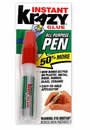
Epoxy and Extra Strength Glue delivers maximum bonding power. Includes J-B Weld, Gorilla Glue, and professional cyanoacrylates.
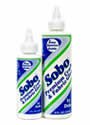
Fabric Glue creates flexible, washable bonds on textiles. Aleene's Fabric Fusion and Beacon Fabri-Tac handle both lightweight and heavy fabrics.
Shop Adhesives Supplies
Professional adhesives supplies for every application
Stic Glue Stick
by Uhu

3
Versions of this item
From: $1.04
White Artist's Tape
by Pro Tapes

3
Versions of this item
From: $5.28
Original Tacky Glue
by Aleene's

4
Versions of this item
From: $1.52
Washi Gold Tape
by Blue Dolphin Tapes

2
Versions of this item
From: $7.86
Artist's Tape
by Pro Tapes

10
Versions of this item
From: $2.82
Color Glue Stick
by Uhu

$0.92
Black Masking Tape
by Pro Tapes

5
Versions of this item
From: $4.95
Super Glue
by Loctite

$4.61


